
Lake water is a natural, untreated environment and may contain bacteria and other health risks that change over time. Conditions can be influenced by rainfall, creek outflow, warm temperatures, wildlife, and human activity.
Water quality is often poorer during the summer months when warmer temperatures promote bacterial growth and increased swimmer activity stirs up sediment.
We focus on keeping you safe by:
- Testing the quality of beach water in collaboration with the Interior Health Authority
- Placing swimming advisories when necessary
We’re also taking several measures to enhance beach water quality, including the implementation of a valley-wide Goose Management Plan research to identify the sources of bacteria; increased garbage removal; public education about personal hygiene at beach parks; and bylaw action regarding pet waste and bird offences.
Beach water quality testing
Interior Health tests the following lakes in Lake Country:
- Wood Lake
- Kalamalka Lake (Pioneer Park)
- Okanagan Lake (Pebble & Coral Beach)
Beach and lake water safety tips
Here are some helpful tips for how to have a fun, safe experience at one of the local beaches
Algae
Algae blooms occur naturally and may become more common in warm, nutrient-rich conditions. Some blooms, including blue-green algae (cyanobacteria), can produce toxins that pose risks to people and pets.
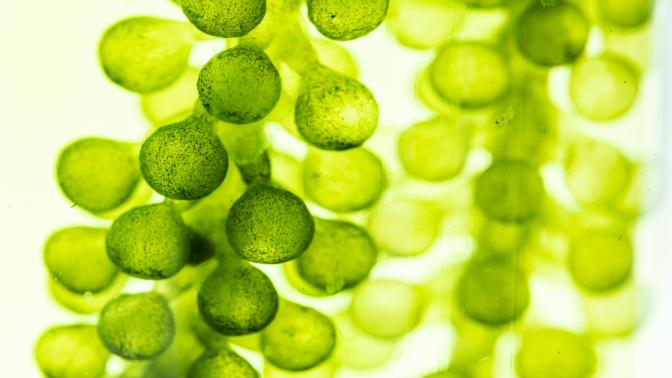
Learn more about algae (Algae Watch)
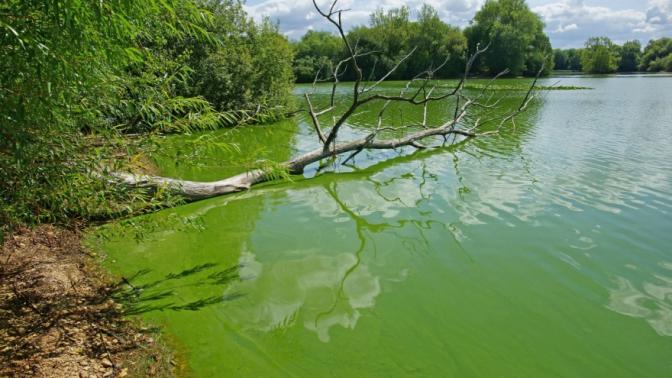
Report an algae bloom
Related links
Subscribe
Subscribe to District news for all the latest information:
Subscribe