10150 Bottom Wood Lake Road
The District of Lake Country will be hosting an Agricultural Irrigation Water Workshop at Municipal Hall on April 14th, 2026 from 1:00PM – 4:00PM.
Members of the Lake Country Farmer’s Institute, local agriculturists, and anyone interested in agricultural irrigation water is encouraged to attend.
Agenda includes:
Agricultural Irrigation Usage Plan (AIUP) – Water Conservation Initiatives
- Overview of preliminary water conservation initiatives
- Open discussion with community in attendance
- Opportunity to share alternative approaches and considerations
- Feedback will help inform the AIUP
Lake Country My360 Overview
- Monitoring irrigation water through your meter
- How to use My360: sign-up, navigate, set alerts, track allotment
- Currently active and available through: MyLakeCountry eServices
Attendees are encouraged to bring their device for hands-on support
2026 Drought Update
- Update following April 1 snowpack and lake level data
Following the workshop, the Lake Country Farmer’s Institute will hold their Annual General Meeting
Will you be attending the workshop?
The following water conservation initiatives will be discussed at the Agricultural Irrigation Workshop on April 14, 2026. These initiatives include items identified in the 2024 Water Conservation Plan, as well as ideas raised through discussions with the agricultural community. This overview is intended to provide context to support informed discussion; it is not a final list, and no decisions have been made. Additional input and ideas will be welcomed during the workshop.
Efficient Water Systems
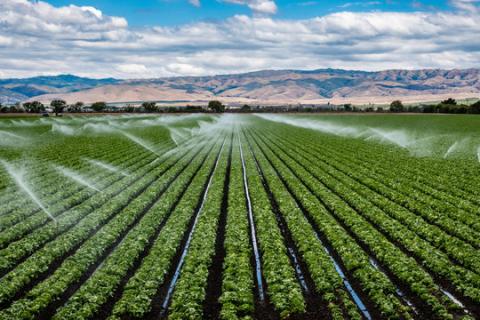
Efficient irrigation systems, such as drip and micro-sprinklers, can reduce water loss and improve application efficiency. System selection varies depending on crop type, soil conditions, and on-farm infrastructure. The District is considering both educational and regulatory options for this incentive.
Tensiometers
Tensiometers provide real-time soil moisture data to support more precise irrigation scheduling. They can help reduce overwatering and improve overall irrigation efficiency. The District is considering educational, financial, and regulatory options for this incentive.
Variable Rate Structures
Variable rate structures link water use to cost to encourage efficient consumption and improve awareness of irrigation practices. Different models may be considered to support demand management, particularly during dry conditions.
Deficit Irrigation
Deficit irrigation involves applying less water during certain growth stages where impacts on yield are minimal. When applied appropriately, it can reduce overall water use while maintaining crop productivity. The District is considering educational options for this incentive.
Freshet Water
Using freshet water involves taking advantage of higher spring flows to support early-season irrigation and soil moisture storage. This may help reduce reliance on water during peak summer demand periods. The District is considering operational options for this incentive.
Communications
Tools such as early usage notifications, automated alerts, and mass communication platforms provide timely information to support proactive irrigation management. Improved communication can help users stay within typical or allocated water use levels and stay informed during emergency events.